
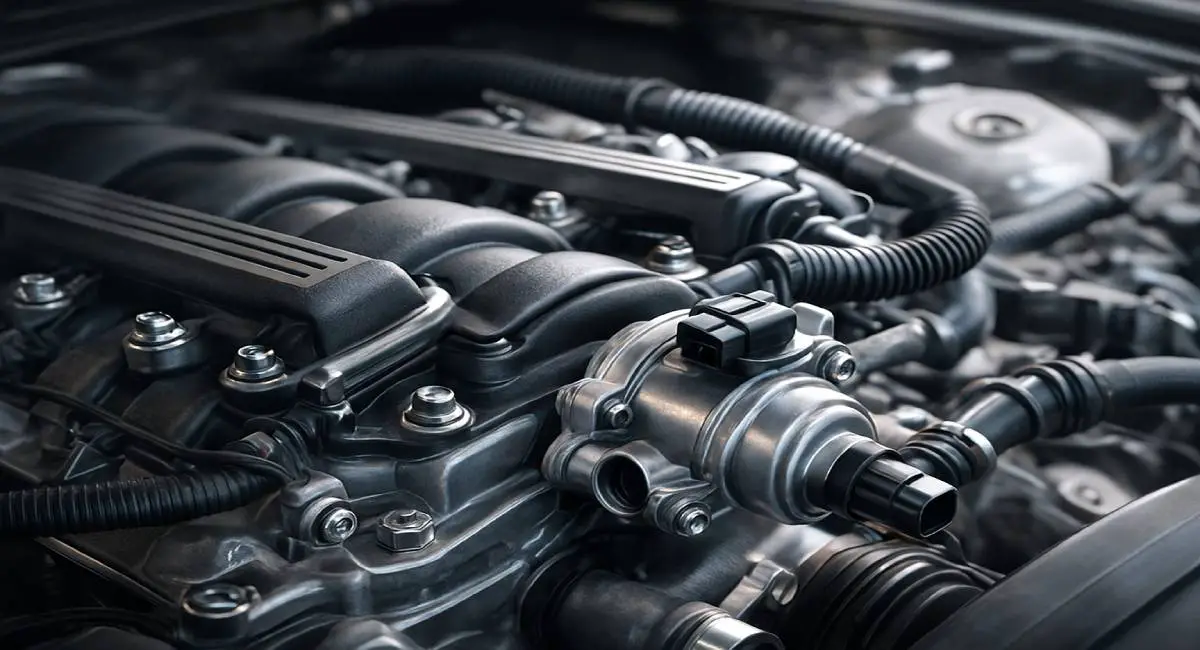
BMW engines are known for precise engineering, strong performance, and refined power delivery. Still, many owners encounter idle and intake issues that trace back to the Idle Control Valve (ICV) or modern intake control components such as swirl or tumble flaps. These faults disrupt drivability, trigger warning lights, and cause frustration at the roadside. Drivers often ask: how common are BMW ICV problems, and what should you do if one appears?
The short answer is that ICV-related issues are frequent enough to be a regular maintenance topic among BMW owners, but frequency varies by engine family, driving habits, and maintenance history. Older cars tend to suffer from mechanical ICV failures, while modern BMWs experience intake flap, actuator, or carbon-related faults. This guide explains prevalence, symptoms, root causes, diagnosis, repair options, costs, and prevention so you can take informed action.
What Does the BMW ICV Do?
The term “ICV” covers two related concepts depending on the era of the BMW: the traditional Idle Control Valve used on older gasoline engines, and intake-control flap systems used on newer petrol and diesel engines. Both systems regulate airflow at low engine speeds, but they differ in design and failure modes.
Idle Control Valve (Older BMW Models)
On classic BMWs—such as many E36, E39, and early E46 or E90 models—the idle control valve meters air around the closed throttle plate to keep idle stable. It operates with a simple motor or pintle mechanism and can degrade over time due to carbon, oil vapors, and wear.
How the Idle Valve Operates
The valve adjusts airflow based on signals from the engine control unit (ECU). If it sticks or fails electrically, idle RPM fluctuates, engine stalls, or starting becomes difficult. The failure mode is usually gradual; drivers notice creeping symptoms before a full failure.
Typical Failure Triggers
- Carbon and oil vapor deposits
- Motor/electrical wear
- Age-related sticking of internal components
Intake Control Flaps & Swirl Systems (Modern Engines)
Modern BMW engines use intake flaps, swirl or tumble valves, and electronically actuated devices inside the intake manifold to optimize airflow for torque, emissions, and efficiency. When these flaps stick or actuators fail, the result often looks like a classical ICV problem.
Why Modern Intake Systems Fail
Direct-injection engines do not wash intake valves with fuel, which leads to carbon buildup. EGR and soot in diesel engines accelerate deposit formation. Over time, flaps bind, actuators seize, or gears strip—leading to poor low-RPM response, limp mode, or check engine lights.
Common Affected Components
- Swirl/tumble flap plates
- Actuator motors and gears
- Intake manifold housings
How Common Are BMW ICV Problems?
ICV-related issues occur often enough to be a regular topic on BMW forums and a standard service offering at many independent shops. That said, “common” does not mean universal—many BMWs run for long mileage with no ICV complaints. Prevalence depends on engine family, use-case, and maintenance.
Indicators of Frequency
Several indicators point to recurring ICV issues:
- High volume of forum threads and owner reports describing idle instability and intake flap faults.
- Aftermarket demand for swirl-flap repair kits and refurbished manifolds.
- OEM technical service bulletins (TSBs) addressing intake, EGR, and thermal concerns on certain engines.
No Precise Public Failure-Rate Data
BMW and regulatory databases do not usually publish narrowly defined “ICV failure rates.” Instead, prevalence is inferred from repair frequency, aftermarket sales, and TSB issuance. Use owner anecdotes carefully; they are useful for patterns but not statistical incidence.
Engine Families With Higher Reported Rates
- N47 / N57 / B47 / B57 diesels: swirl flap wear, actuator gear failure, thermal and soot stresses.
- M50 / M52 / M54 series: classic idle control valve sticking in high-mileage petrol engines.
- N54 / N55 / B58 turbos: carbon deposits affect intake flow and idle behavior at high mileage.
Symptoms of BMW ICV and Intake Flap Problems
Symptoms cover a range of drivability issues. Correct interpretation leads to efficient diagnosis. Below are specific signs tied to either idle valves or intake flaps.
Symptoms of Idle Control Valve Failure
- Erratic idle RPM or surging at idle
- Stalling once the engine reaches operating temperature
- Hard starts or rough cold start behavior
- Diagnostic trouble code P0505 or related idle-control faults
Early Warning Signs
Watch for momentary surges or a need to blip the throttle at stoplights to prevent stalling. These subtle signs often precede complete failure.
Symptoms of Intake Flap or Swirl-Flap Issues
- Reduced low-end torque and hesitation under light load
- Limp mode or reduced power when actuators fail
- Fake or intermittent check engine light related to flap position
- Rough idle when flaps stick in partially closed positions
Symptoms That Mimic ICV Failures
Vacuum leaks, a faulty MAF, or a malfunctioning throttle body can mimic ICV symptoms. Use structured diagnostics to avoid unnecessary part replacement.
Common Causes Behind ICV and Intake Failures
Causes range from predictable wear to design-related side effects of modern combustion systems. Identifying the root cause guides whether you clean, repair, or replace parts.
Carbon Buildup: The Primary Offender
Carbon accumulates on intake flaps and idle valve passages because direct injection leaves intake valves unwashed. Soot and oil vapor from the PCV and EGR systems accelerate deposits. Carbon makes moving parts sticky and reduces effective flow area.
How Carbon Forms
- Fuel does not contact intake valves in direct-injection engines.
- PCV oil vapors and EGR soot adhere to intake surfaces.
- Short urban trips accelerate buildup.
Mechanical Wear and Actuator Failure
Gears and actuators wear with time. On diesel swirl-flap systems, tiny plastic or metal gears can strip under load. Once the actuator fails, flaps can freeze or move unpredictably, triggering limp mode or poor drivability.
Vacuum Leaks and Unmetered Air
Broken hoses, aging boots, and cracked intake components let unmetered air into the system. The ECU compensates, creating idle instability that looks like an ICV fault. Smoke testing helps locate these leaks quickly.
Thermal Distortion and EGR Effects (Diesel)
Long-term exposure to high exhaust gas temperatures and soot can deform intake passages and stress flap linkages. Diesel engines with heavy EGR use are particularly susceptible.
Electrical and Sensor Issues
Faulty MAF sensors, intermittent wiring, or damaged connectors can produce airflow misreadings. When the ECU receives incorrect inputs, airflow control systems behave erratically and the result resembles an ICV malfunction.
Diagnosing BMW ICV Problems
A step-by-step diagnostic approach reduces wasted time and parts. Start with simple checks and escalate to specialized tests as needed.
Step 1: Read OBD-II Codes
Begin with a code reader to identify P0505 or flap/actuator codes. Codes point you toward the right subsystem but rarely identify the precise failed component without further testing.
Interpreting Common Codes
- P0505 — Idle Control System Malfunction
- Flap or actuator range errors — often indicated by manufacturer-specific codes
- MAF or intake pressure codes that hint at vacuum or sensor faults
Step 2: Visual and Manual Inspection
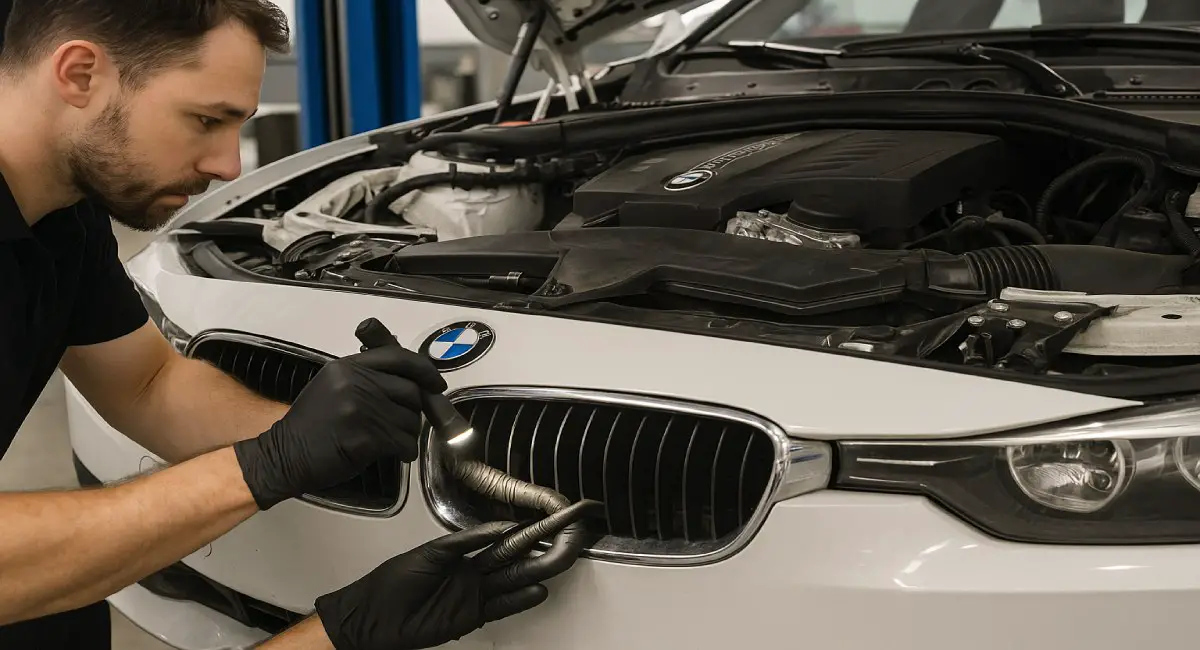
Inspect intake boots, hoses, and connectors for cracks or looseness. On some engines, you can move the intake flap manually; resistance usually means carbon binding or mechanical wear.
Step 3: Smoke Test for Vacuum Leaks
A smoke test introduces vapor into the intake system and reveals leaks quickly. Many cases that look like a bad ICV turn out to be simple air leaks that the test pinpoints.
Step 4: Functional Tests and Actuator Checks
Use diagnostic tools that command the actuator to move while observing its response. Sluggish or no movement indicates mechanical failure or electrical problems in the actuator circuit.
When to Seek Professional Diagnosis
If the vehicle is in limp mode, exhibits recurring codes after basic interventions, or requires manifold removal to inspect internal flaps, take it to a professional with BMW-specific tools.
Repair Options for BMW ICV and Intake Flap Problems
Repairs range from inexpensive cleanings to major manifold replacements. Choose the least invasive solution that resolves the root cause.
Cleaning: The First, Least-Expensive Step
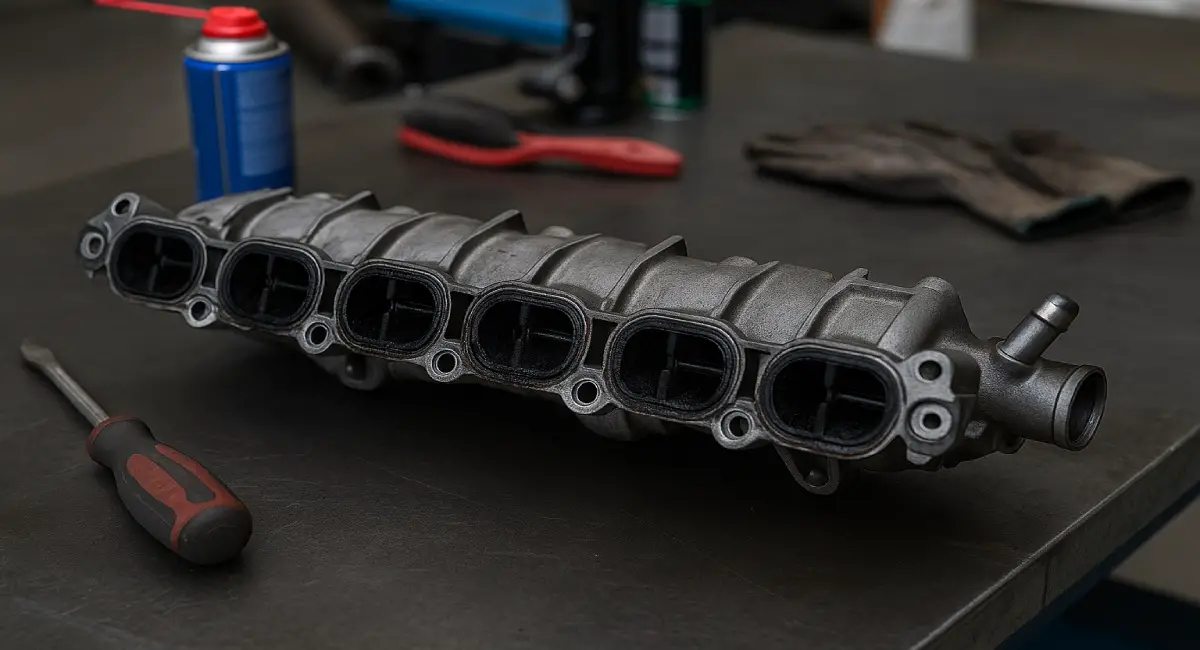
Cleaning the idle valve or intake passages often restores function when carbon is the primary issue. Walnut blasting or chemical cleaning removes deposits and returns components to free movement. An idle relearn procedure may be required after cleaning.
When Cleaning Is Sufficient
- Flaps move but stick intermittently
- Actuator functions but shows resistance
- No signs of stripped gears or broken hardware
Replacement of ICV or Actuator
If cleaning fails or the motor/actuator has failed electrically, replacement is the next step. OEM parts are recommended for long-term reliability, though quality aftermarket components are available.
OEM vs Aftermarket Considerations
- OEM parts typically match factory tolerances and longevity
- Aftermarket parts can reduce cost but vary in quality
- Refurbished manifolds are a middle ground for older models
Manifold Replacement and Refurbishment
When internal flap components are integrated into the manifold, replacement may be unavoidable. Refurbished manifolds or remanufactured units offer cost savings. In many markets, repair kits let technicians replace only the damaged flap components, avoiding a full manifold swap.
Flap Deletion: A Controversial Option
Some owners remove flaps to prevent future failures. This prevents flap-related faults but can change emissions behavior and low-RPM driveability. Check local regulations and consider long-term effects before choosing deletion.
Cost Breakdown for Repairs
Costs vary widely by region, labor rates, and whether you use OEM or aftermarket parts. Below are typical ranges to help set expectations.
Cleaning Costs
- Idle valve cleaning: relatively low labor and parts costs
- Walnut blasting/carbon clean: higher but effective for direct-injection engines
Replacement and Major Repairs
- ICV replacement (older engines): moderate cost
- Actuator replacement: higher, depending on accessibility
- Manifold replacement: highest cost, especially if integrated components require full assembly swap
Budget Options
Refurbished manifolds and aftermarket repair kits can reduce costs substantially, often without sacrificing reliability when installed properly.
How to Prevent ICV and Intake Issues
Prevention reduces the chance of surprise repairs and extends component life. These steps focus on reducing carbon buildup and avoiding vacuum or electrical faults.
Regular Carbon Cleaning Intervals
Periodic carbon cleaning, such as walnut blasting, helps direct-injection engines stay clean. Establish a schedule based on mileage and driving patterns; frequent short trips often justify more frequent cleaning.
Fuel and Driving Habits
- Use quality fuel and change filters on schedule
- Occasional highway runs help burn off deposits
Inspect and Replace Intake Hoses Periodically
Replace brittle or cracked hoses before they cause vacuum leaks that mimic ICV issues. Inspect boots, clamps, and connectors during regular service intervals.
Keep MAF and Air Filter in Good Condition
A clean MAF and fresh air filter reduce incorrect airflow readings, which helps the ECU regulate idle more effectively and reduces stress on idle control systems.
Engine Families Most Affected
Some engine families appear most frequently in owner reports. If you own one of these engines, consider proactive inspection and maintenance.
N47 / N57 / B47 / B57 Diesels
Prone to swirl-flap wear, soot accumulation, and thermal stresses. Regular intake inspections and cleaning pay dividends for long-term reliability.
M50 / M52 / M54 Petrol Engines
Older idle valves on these platforms often stick with age. Cleaning or replacing the ICV solves many high-mileage idle complaints.
N54 / N55 / B58 Turbo Petrol Engines
Carbon buildup on intake valves affects flow and idle behavior. Cleaning and monitoring throttle response are good preventive practices.
FAQs About BMW ICV Problems
How common are ICV problems on BMWs?
They are common enough to appear frequently on forums and repair lists, especially on specific engine families. The issue is well-known but not universal.
Can I drive with a bad ICV?
Short-term driving is often possible, but you risk stalling and safety issues. Address the problem quickly to avoid further engine or transmission stress.
Do swirl flaps cause engine damage if they break?
A broken flap can obstruct airflow and trigger limp mode. Serious internal damage is uncommon but possible if debris reaches sensitive components.
How long do ICVs last?
Many mechanical ICVs exceed 100,000 kilometers with proper care. Intake flap systems last longer with regular carbon management and inspection.
Is cleaning better than replacing?
Cleaning is the least invasive and most cost-effective first step when carbon is the primary issue. Replace parts when electrical failure or irreparable mechanical damage is present.
Conclusion
BMW ICV and intake-flap issues are a well-documented part of owning certain BMW engines. Older cars typically face mechanical idle valve wear, while modern engines contend with carbon buildup, actuator wear, and intake complexity. Most problems respond well to proper diagnosis, cleaning, and targeted repairs. With the right maintenance routine—periodic carbon cleaning, intake hose inspection, and MAF filter care—you can reduce the risk of sudden failures and keep your BMW running smoothly for many miles.
Address symptoms early, use a systematic diagnostic approach, and choose the repair option that targets the root cause. That approach saves money, avoids repeated repairs, and preserves the driving experience that makes BMWs enjoyable to own.